
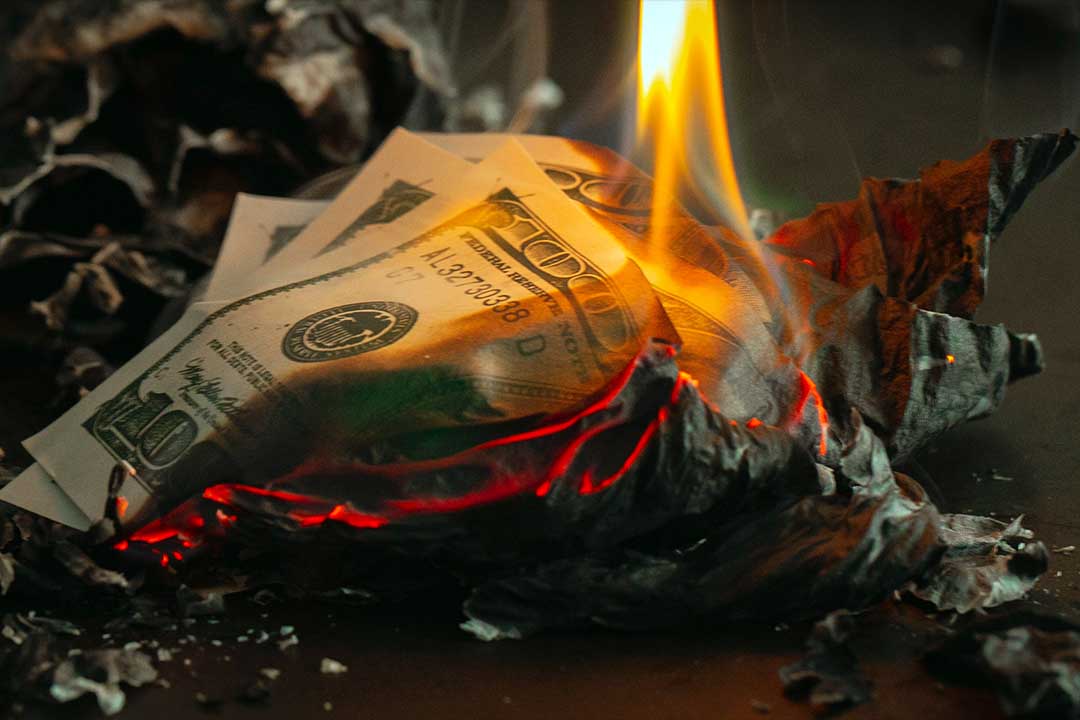
The Real Problem: Counterfeit Products in Malaysia Are Evolving
Malaysia faces serious counterfeit issues across:
Supplements
Skincare & cosmetics
Streetwear & luxury fashion
Electronics
Vape & lifestyle products
Counterfeiters today are more sophisticated. They don’t just copy your logo — they copy your packaging, your QR codes, even your warranty cards.
If you’re selling on Shopee, Lazada, TikTok Shop, or through distributors, you already face risk.
The real question is:
What actually works to prevent counterfeit products in Malaysia in 2026?
Let’s break it down.
Why Traditional Anti-Counterfeit Packaging Fails
Many Malaysian brands still rely on:
1. Hologram Stickers
Cheap to produce.
Easy to copy.
No verification system behind it.
2. Tamper-Evident Seals
Good for safety.
But does not stop duplication.
3. Static QR Codes
Linked to website homepage.
Cannot detect fake copies.
Zero tracking.
These methods create perceived security, not real protection.
In today’s environment, if your packaging is static, it is vulnerable.
What Actually Works: Smart, Serialized Authentication
Effective anti counterfeit packaging in Malaysia today includes three layers:
1️⃣ Serialization (Unique Identity Per Unit)
Instead of printing the same QR on 10,000 boxes:
Each product gets:
A unique serial number
A unique QR code
A unique authentication record
Example:
SKU-000001
SKU-000002
SKU-000003
Now every unit is traceable.
This is the foundation to prevent counterfeit products.
2️⃣ Dynamic Smart QR Verification
A smart QR code should:
Validate authenticity in real-time
Detect duplicate scans
Log timestamp & location
Flag suspicious activity
If one code is scanned:
First scan in Kuala Lumpur → Valid
Second scan in Thailand 2 hours later → Suspicious
That’s how a real product authentication system works.
3️⃣ Backend Authentication System
The packaging is just the front.
The real power is in the backend system that:
Tracks scan patterns
Identifies distributor leakage
Monitors grey imports
Detects abnormal duplication
Without a backend system, your QR code is just decoration.
Why This Matters for Malaysian Businesses
Malaysia has unique risk factors:
Heavy reliance on marketplaces
Cross-border trade
Grey imports from neighboring countries
Rapid supplement & cosmetic growth
Brands often realize there’s a problem only after:
Customers complain
Distributors conflict
Revenue drops
Reputation damage spreads online
Anti counterfeit packaging Malaysia brands use must move from visual security to data security.
Business Pain Points (And How Smart Packaging Solves Them)
Pain 1: “We don’t know where the fake products come from.”
Solution:
Serialization tracks batch + distribution channel.
Pain 2: “Customers blame us for low-quality fakes.”
Solution:
Real-time verification page proves authenticity instantly.
Pain 3: “Marketplace owns our customer data.”
Solution:
Verification flow captures first-party customer data.
Pain 4: “We can’t prove distributor leakage.”
Solution:
Scan heatmaps reveal suspicious geographic patterns.
Cost vs Risk: Is It Worth It?
Adding serialized anti counterfeit packaging may increase cost slightly per unit.
But compare that to:
Brand reputation loss
Legal exposure
Refund claims
Customer churn
Grey market erosion
The ROI is not just protection.
It is:
Customer ownership
Distribution intelligence
Brand control
2026 Anti-Counterfeit Packaging Checklist (Malaysia Edition)
Use this to audit your current system:
Security Layer
Unique QR per product
Serialization system in place
Duplicate scan detection
Intelligence Layer
Scan analytics dashboard
Geographic tracking
Timestamp logging
Ownership Layer
Customer verification data capture
Ability to retarget verified buyers
Platform-independent engagement
If you cannot tick at least 70% of this list, your brand remains exposed.
Final Insight: Packaging Is No Longer Just Packaging
In 2026, anti counterfeit packaging in Malaysia is no longer about shiny stickers.
It is about:
Serialized identity
Real-time authentication
Data-backed protection
Ownership & control
If your packaging cannot verify itself, someone else can copy it.
The brands that win in Malaysia will not just prevent counterfeit products.
They will turn authentication into infrastructure.


Frequently Asked Questions
Everything you need to know
What is anti counterfeit packaging in Malaysia?
How can I prevent counterfeit products in Malaysia?
Are hologram stickers effective against counterfeits?
What industries in Malaysia face the most counterfeit risk?