
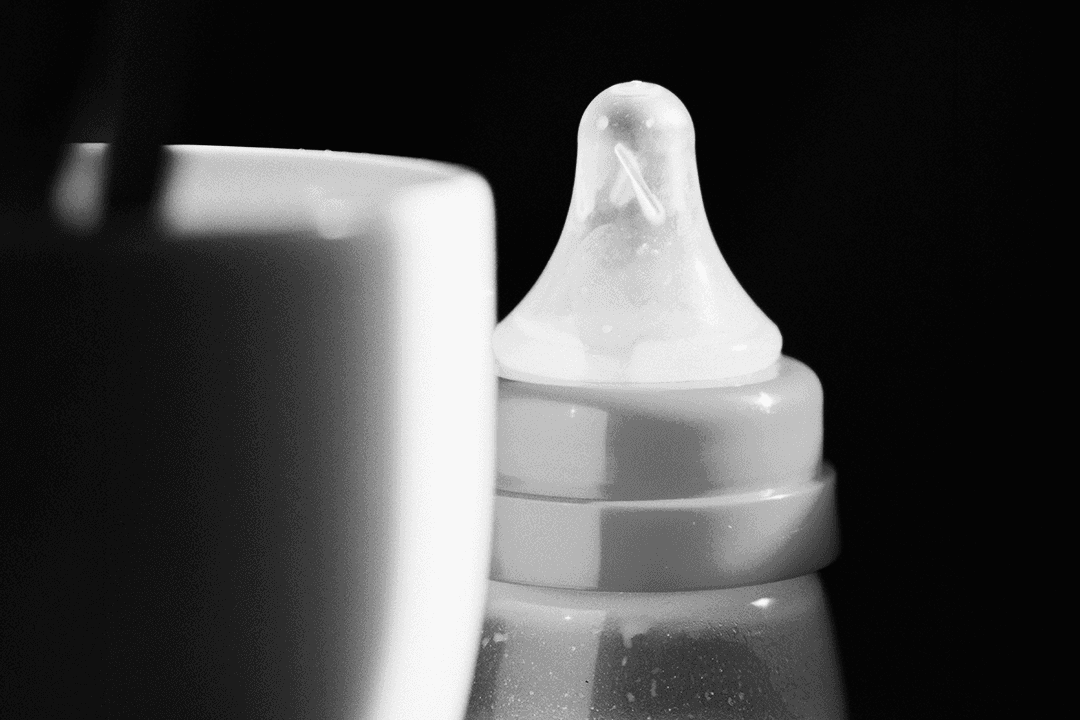
In the high-stakes world of the infant nutrition industry, a brand is far more than a logo or a catchy slogan. It represents a sacred promise of safety, quality, and developmental support made to the most vulnerable members of society: infants and their parents. However, as the Malaysian market learned in 2017, that promise can be shattered overnight by a single counterfeit incident. For brand owners, implementing robust anti-counterfeit and brand protection solutions is no longer an optional "extra"—it is a fundamental survival strategy.
The Viral Spark: Anatomy of the 2017 Enfalac Fake Milk Crisis
The 2017 Enfalac Fake Milk Crisis remains a dark milestone in Malaysia’s consumer history. It serves as a textbook example of how a "Digital Trust Vacuum" can lead to catastrophic brand equity erosion.
The crisis began with deceptive quietness. In August 2017, Mead Johnson—then a premium segment leader—received isolated complaints regarding "unusual infant reactions". Initially treated as standard feedback, the situation remained under the radar until it hit a "Viral Spark" on December 7, 2017.
A mother in Johor Bahru (JB) posted harrowing photos of her infant suffering from severe vomiting, a high fever, and painful rashes after consuming Enfalac A+ Step 1. The post ignited a wildfire of parental anxiety across Malaysia. This public outcry forced an immediate government raid led by the Ministry of Domestic Trade (KPDN), which targeted five locations across JB.
The discovery was chilling: 210 boxes (1.8kg) of counterfeit formula were found mixed with genuine stock on the shelves of trusted local grocery stores and traditional Chinese medical halls. While the direct seizure value was only RM 42,000, this was merely the "tip of the iceberg".
The Financial Fallout: A Breakdown of the Millions Lost
When a brand fails to implement proactive brand protection solutions, the cost of the subsequent "Operational Nightmare" is staggering. For Mead Johnson, the fallout was not just a legal hurdle; it was a financial hemorrhage that totaled an estimated RM 69 million and more.
1. The Operational and Logistical Nightmare (Est. RM 5M – RM 10M)
The brand was forced to launch a massive "Voluntary Product Exchange Program" for all 1.8kg packs nationwide to appease panicked parents. This involved:
Reverse Logistics: Collecting old, potentially suspect stock from thousands of retail outlets across the country.
Warehousing and Destruction: Safely storing and then securely destroying thousands of units of goods.
Retailer Replacements: Providing free replacement stock to retailers to maintain shelf presence and channel relationships.
2. Marketing and Trust Recovery Spend (Est. RM 10M+)
Restoring a "Gold Standard" reputation requires an aggressive—and expensive—marketing pivot. In 2018, Mead Johnson saw a significant spike in Advertising & Promotion (A&P) spend. They were forced to run full-page print ads in major newspapers like The Star, Sin Chew, and Berita Harian for weeks. Ironically, the brand ended up spending more money teaching people how to spot a fake than it did on selling the actual product.
3. Market Share Erosion (Est. RM 90M)
The most damaging long-term impact was the "Sales Hemorrhage" as consumers fled to competitors like Nestlé and Dutch Lady. In the infant formula business, the loss of a customer is measured in "Lifetime Value" (LTV).
Calculation: If a parent spends RM 300/month on milk for 3 years, losing one customer costs the brand RM 18,000 in LTV.
Scale: A conservative estimate of 5,000 switching parents results in RM 90 million in lost future revenue.
The Human Toll: Why Parents Never Forget
Beyond the balance sheet, the human impact was profound. Chemical analysis revealed the fake milk was primarily starch and non-dairy creamer. For infants aged 0–12 months, this led to acute malnutrition and severe digestive distress.
This physical harm created a permanent state of psychological trauma and anxiety among Malaysian mothers. Today, any minor change in packaging—be it font, color, or texture—triggers immediate social media panic. Parents have shifted their buying behavior permanently, often shunning independent retailers in favor of high-margin hypermarkets or Singaporean sources, which has effectively increased their cost of living.
The Strategic Opportunity: Brand Protection as the New Currency
The 2017 scandal proved that a "Brand Name" is no longer enough; Proof of Authenticity is the new currency of the Malaysian dairy market.
For a "Strong Challenger" like Nestlé (Lactogrow / DANCOW), which currently holds an estimated 20%–25% market share in the Growing-Up Milk (GUM) segment, there is a massive opportunity to claim the No. 1 spot. While Dutch Lady currently leads with ~40%, the "hidden fear" of the 2017 crisis remains a core memory for every Malaysian parent.
By introducing an advanced, QR-based verification system, a brand can:
Reassure Parents: Provide immediate, digital proof of safety to the "Post-2017" generation of anxious caregivers.
Differentiate: Set a new industry standard that goes beyond easily faked "packaging-based" security.
Drive Loyalty: Use digital transparency to bridge the "Trust Gap" and turn a security feature into a powerful marketing tool.
The cost of implementing modern brand protection is a fraction of the cost of a crisis. Don’t wait for the next "Viral Spark" to expose your supply chain vulnerabilities. Protect your promise, your consumers, and your future today.




Frequently Asked Questions
Everything you need to know
Is investing in brand protection technology a luxury, or is it a strategic necessity for my bottom line?
How can I make my brand the obvious choice for a parent standing at a crowded supermarket shelf?
If high-end printing doesn't stop sophisticated counterfeiters, what can I actually put on my packaging to make it 'un-fakeable'?
How can I prevent a single bad experience with a counterfeit from blowing up into a viral social media crisis for my brand?