
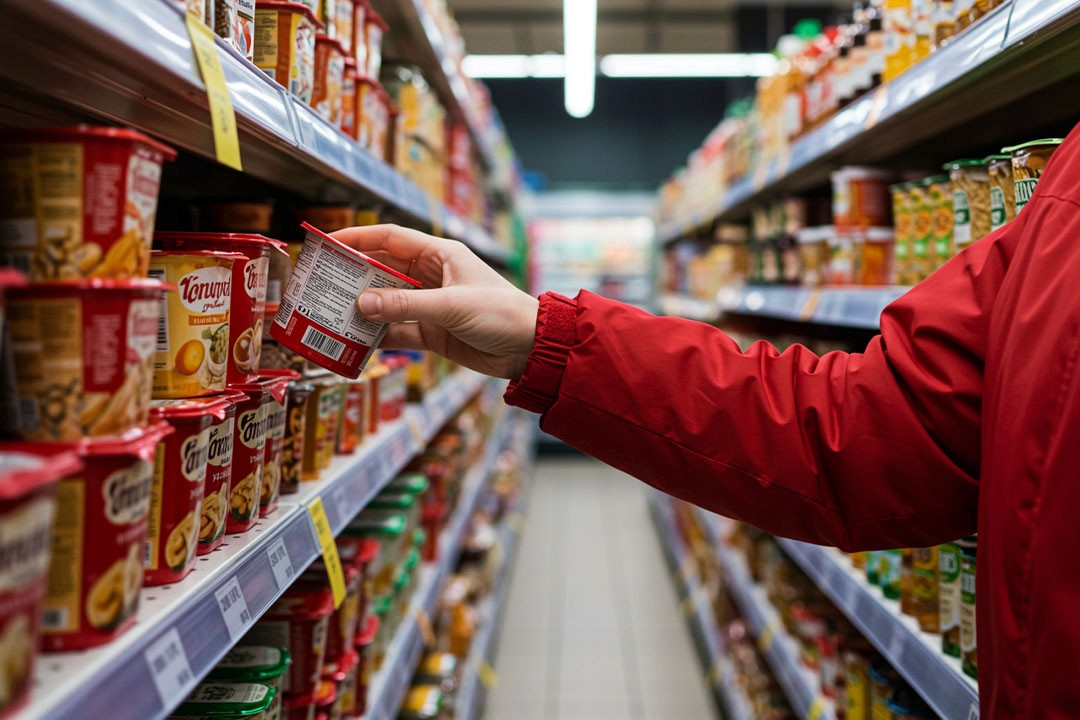
The Quiet War on Your Wallet: Why Some Brands Raise Prices While Others Hold the Line
We’ve all felt that specific sting at the checkout counter. You pick up a favorite T-shirt or a go-to snack, and the price tag has jumped $5 since your last visit. Usually, the explanation is a vague wave of the hand toward “the economy”—inflation, snarled supply chains, or the latest round of tariffs.
But behind every price hike is a boardroom battle. While rising costs are real, the decision to pass those costs on to you is rarely a mathematical certainty. It’s a strategic choice.
As we navigate an era of persistent economic pressure, the way a brand handles its pricing reveals more about its soul than its marketing ever will.
The Anatomy of the Squeeze
Since 2021, the cost of doing business has moved in only one direction: up. Even when "headline inflation" cools, the "input costs"—the raw cotton, the electricity for the warehouse, the cardboard for the box—remain at record highs.
Then there are the invisible forces:
Tariffs: These function like a hidden sales tax on businesses. When import duties on raw materials spike, companies either eat the cost or hand the bill to the customer.
Logistics Chaos: From port congestion to the skyrocketing cost of "last-mile" delivery to your front door, shipping a product has never been more volatile.
For most businesses, "doing nothing" is a recipe for bankruptcy. But "doing something" doesn't always have to mean a higher price tag.
The "Cost-Plus" Trap
Many companies operate on a simple reflex: if it costs $1 more to make, we charge $2 more to keep our margins fat. They justify this through "narrative pricing"—bundling a price hike with a story about "new and improved features" or "unprecedented global challenges."
Often, these hikes aren't strictly necessary for survival. They are tactical moves to protect aggressive growth targets or to keep shareholders happy. But this strategy comes with a hidden tax on consumer trust. When a price shifts too often, the "anchor" in a customer's mind breaks. The product stops feeling like a reliable staple and starts feeling like a luxury—or worse, a rip-off.
The Power of the "Price Anchor"
On the flip side, some brands treat price stability as a sacred vow. Think of the legendary $1.50 Costco hot dog. It’s not a profit center; it’s a psychological anchor that screams, "We are on your side."
Maintaining a stable price in a volatile world isn't passive—it's an extreme sport in operational discipline. To keep prices flat while costs rise, brands have to pull different levers:
Slashing Ad Spend: Instead of buying expensive Instagram ads to find new customers, they focus on keeping the ones they have.
Radical Simplicity: They cut the "fluff" from their product lines to focus on high-volume, high-efficiency staples.
Accepting Slower Growth: They trade a "hockey stick" revenue graph for a long-term relationship with a loyal base.
Case Study: The $37 T-Shirt
Take the apparel brand IF... THEN WELL as a prime example. They launched over six years ago with a premium Peruvian Pima cotton tee priced at $37. Since then, the world has turned upside down. Cotton prices spiked; freight costs tripled.
Most consultants would have told them to jump to $45 or $50. Instead, they stayed at $37.
How? They didn't use the "loss-leader" strategy of a giant like Costco. Instead, they reallocated their budget. As their community grew through word-of-mouth, they dialed back their marketing spend. They realized that the "cost of acquisition" is often the biggest hidden markup in retail. By spending less on ads, they could afford to spend more on the cotton—without charging the customer a cent more.
What Your Receipt Is Really Telling You
Next time you see a price increase, look past the "inflation" excuse.
A sudden hike often signals a brand that is prioritizing short-term margins or aggressive expansion.
A steady price signals a brand that is likely optimizing internally, valuing your trust over a quick quarterly win.
Price isn't just a number on a sticker; it’s a signal of intent. In a world where everything is getting more expensive, the brands that refuse to budge aren't just selling a product—they’re selling a rare sense of reliability.



Frequently Asked Questions
Everything you need to know
If a brand’s costs go up, don't they have to raise prices to stay in business?
Why do some brands raise prices exactly when their competitors do?
Is "Shrinkflation" just a sneaky way of raising prices?