Understanding the Data Flywheel: Why Serialized QR Codes are the Key to Scaling FMCG Brands

In the modern business landscape, data is the GPS, the fuel, and the engine combined. For a modern entrepreneur, running a business based on "gut feeling" while competitors use algorithms is the fastest way to become obsolete. The most successful brands are moving toward a data-centric powerhouse model that leverages precision planning to turn information into a growth engine.
The FMCG "Retail Black Hole"
Traditional retail brands often "fly blind" because they see revenue hitting the bank but do not know "who" is buying. When selling via offline channels, the retailer owns the customer relationship, while the brand only owns the transaction. This lack of data creates several bottlenecks:
Zero Attribution: Brands don't know which marketing campaign actually drove foot traffic.
Static R&D: New products are developed based on broad trends rather than specific user behavior.
Wasted Ad Spend: Marketing is directed at "everyone" instead of "the right one".
The Mechanism: How Serialized QR Codes Power the Flywheel
The key to breaking out of the retail black hole is the "Data Flywheel." By digitizing every transaction through unique, serialized QR codes on packaging, brands can build a comprehensive database that tracks the specific journey of every product.
This cycle creates a self-sustaining growth loop that is difficult for traditional "analog" competitors to match:
More Data: Digitizing every touchpoint leads to better AI predictions.
Better Predictions: AI predicts demand, allowing for "Just-in-Time" inventory instead of overstocking "just in case".
Lower Costs: Operational efficiencies lead to lower costs and better prices for the consumer.
More Customers: Better value attracts more customers, who in turn generate more data to restart the cycle.
From Guesswork to Certainty: Scenario A vs. Scenario B
In product development and scaling, data volume is secondary to data density. Serialized QR codes allow brands to see the difference between a one-off purchase and a loyal fan base.
Metric | Scenario A (Mass Market) | Scenario B (Loyal Base) |
Unique Customers | 500,000 | 100,000 |
Purchase Frequency | 1x per year | 5x per year |
Marketing Strategy | High-cost acquisition | High-value retention |
R&D Direction | Broad, generic flavors | Niche, premium variations |
If Scenario B is your reality, your growth should focus on the "next obsession" for your power-users rather than searching for a broad product that appeals to everyone. This maximizes efficiency and significantly reduces the risk of product launch failure.
Reclaiming Your Margins: The "Invisible Salesperson"
Many brands currently pay a "gatekeeper tax" to major e-marketplaces, with commissions and fees often consuming up to 40% of their revenue. By turning your packaging into a lead-generation tool, you can transform customers into an "invisible salesperson".
Direct Rewards: Shifting the 40% marketplace tax into a 15% customer reward instantly saves the brand 25% on margins.
Viral Loops: When a customer scans a code, they can be given a unique affiliate link; when others buy through that link, the original customer earns rewards.
Trust as Currency: In high-stakes industries like infant nutrition or cosmetics, a quick scan provides digital proof of safety, bridging the trust gap created by counterfeit goods.
Precision Planning for the AI Economy
Precision planning is the only way to win in an economy driven by AI and data.
Actionable Data: The difference between a simple "database" and a true "growth engine" is automation—using data to trigger actions.
Standardized Scaling: Data allows brands to create Standard Operating Procedures (SOPs) based on real-world evidence rather than intuition.
Local Optimization: Using geographic tracking from scans allows brands to see where "invisible salespeople" are most active, allowing for hyper-localized retail distribution.
The Bottom Line: Your goal as an entrepreneur isn't to work harder—it's to make your data work harder for you. By turning your products into digital touchpoints, you stop guessing and start growing.






Frequently Asked Questions
Everything you need to know
How can I lower my e-commerce platform fees and advertising costs while continuing to grow my sales volume?
How can I lower my ad spend while ensuring my fans stay loyal and don't switch to a 'cheaper' competitor?
Is it actually possible to see exactly which neighborhood is buying my product when I sell through multi-brand retailers or pharmacies?
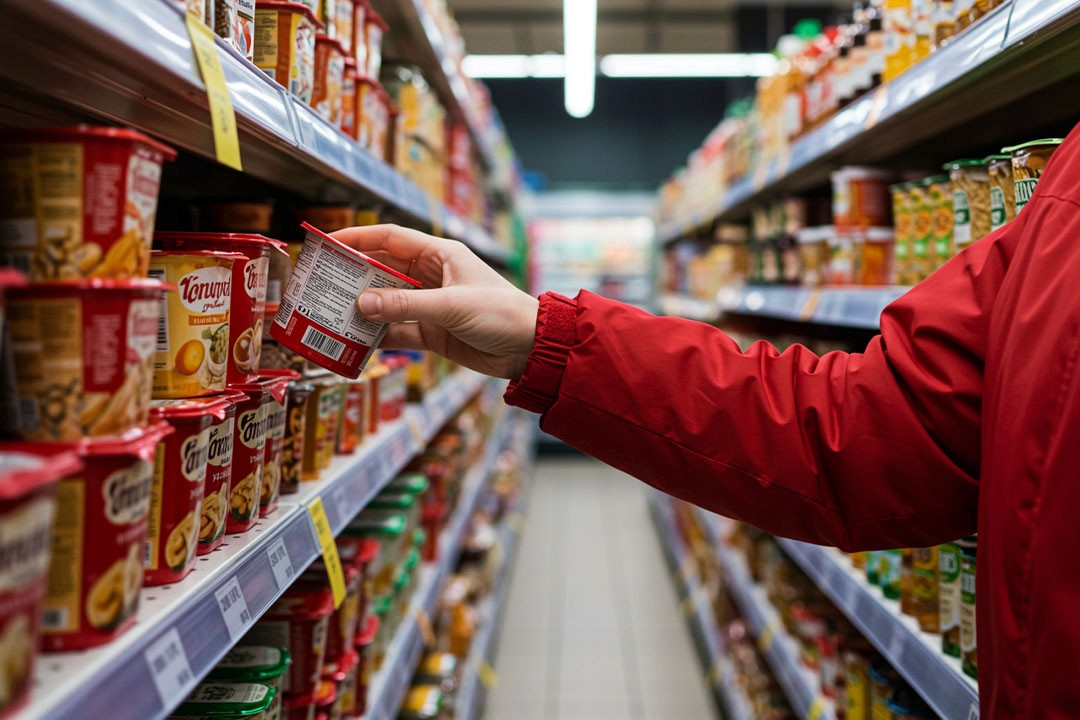
How can my marketing campaign improve my conversion rate at the exact moment a customer is choosing between me and a competitor at the supermarket shelf?